Ohio: frackers caused earthquakes

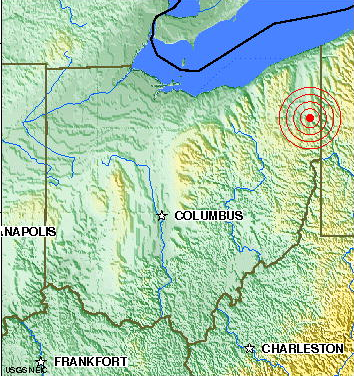
The state of Ohio is poised to enforce tougher regulations on gas-drilling companies after determining that hydraulic fracturing, or "hydro-fracking," was the probable cause of earthquakes in the Youngstown area late last year.
Natural gas is being eyed as a more economical substitute for drude oil, which has experienced price spikes in recent months. Government leaders -- even President Obama --have called for expanded natural gas drilling.
Northeastern states, including Ohio, contain the Marcellus Shale, a geological formation that spans the Appalachian Basin. The region has attracted significant interest in energy development. Oil and gas companies use a controversial mining technique called hydrofracking to extract the gas.
Simply stated, Hydro-fracking extracts natural gas from shale. A borehole is dug deep into the ground to inject a proprietary chemical mix that breaks up and opens channels in rock formations; gas is then expelled from the rock and collected. But it is not without its perils - earthquakes for starters.
Ohio's Department of Natural Resources concluded that a gas well was misplaced in Youngstown triggering last year's seismic activity, which could have been avoided if regulators had complete access to geological data. D&L Energy, the company the operates the drilling site, funded some of the research. New rules will require energy companies to submit more comprehensive geological data before drilling a new well.
The state will also monitor the chemical composition of wastewater from mining operations. Waste water can contain radioactive elements or chemicals that are used in the drilling process. The EPA and independently acting university scientists have uncovered groundwater contamination nearby fracking operations.
Ohio's regulations do not address what to do with any contaminated wastewater, which may not be effectively filtered by municipal water treatment facilities. It is a common practice to pump the water back into the ground. This week, the community of Niagara Falls, N.Y, placed a ban on treating drilling wastewater.
Related on SmartPlanet:
- EPA: hydrofracking may have tainted Wyoming groundwater
- Fracking triggered British earthquakes
- Toxic fracking fluids revealed in Congressional report
- There’s no fracking way polluters won’t be bad actors
- Hydro-frackers to EPA: We used diesel - tough
- Controversial mining practice may return to the Empire state
- Scientist: gas industry is withholding hydro-fracking contamination data
- Marcellus shale fail - estimates of natural gas reserves were overstated
- Hydro-frackers to EPA - ‘tough, we used diesel’
This post was originally published on Smartplanet.com