In Hong Kong, a call for baby formula ads to stop exaggerating

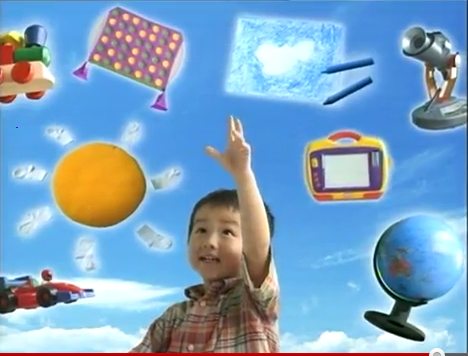
HONG KONG — Milk formula advertisements broadcast in Hong Kong have long touted benefits such as increased intelligence and physical development in children, if only implied by clips of energetic tots solving their latest building-block problems.
But activist groups and some medical experts say some ads make exaggerated claims, and the government is now coming up with guidelines that will try and curb unfounded information (surprise, there's not enough proof that certain formulas can make babies smart!).
Those who oppose these ads — and are largely also pro-breast-feeding — say that some commercials emphasize beneficial chemicals in the powder that are also found in breast milk.
The government has been trying to handle the controversy over milk formula ads for years. In 2007, authorities determined that the ad of one brand, Wyeth, was misleading in saying that its formula chemical DHA enhances children’s visual development.
The guidelines to come into effect next year will govern ads for milk formula, baby food and feeding utensils, but they won't be legally binding.
The World Health Organization calls for all advertising of these products to be banned outright. Groups such as WHO consider breast-feeding a healthier alternative than powdered formula, in addition to being free of charge. But there is a strong push by formula makers to market their products in China.
“There is a hyper-aggressive push to get the emerging market hooked on infant formula,” Unicef’s chief of communications in China Dale Rutstein told Bloomberg. China’s Ministry of Health is considering a ban on advertisements for baby formula.
Milk formula has a long history of controversy. In 1977, a boycott began in the U.S. against Nestle formula over concerns that it was promoting its products over breast milk in developing countries to detrimental effects of babies’ health.
Photo: YouTube
This post was originally published on Smartplanet.com